Steward of the Renaissance
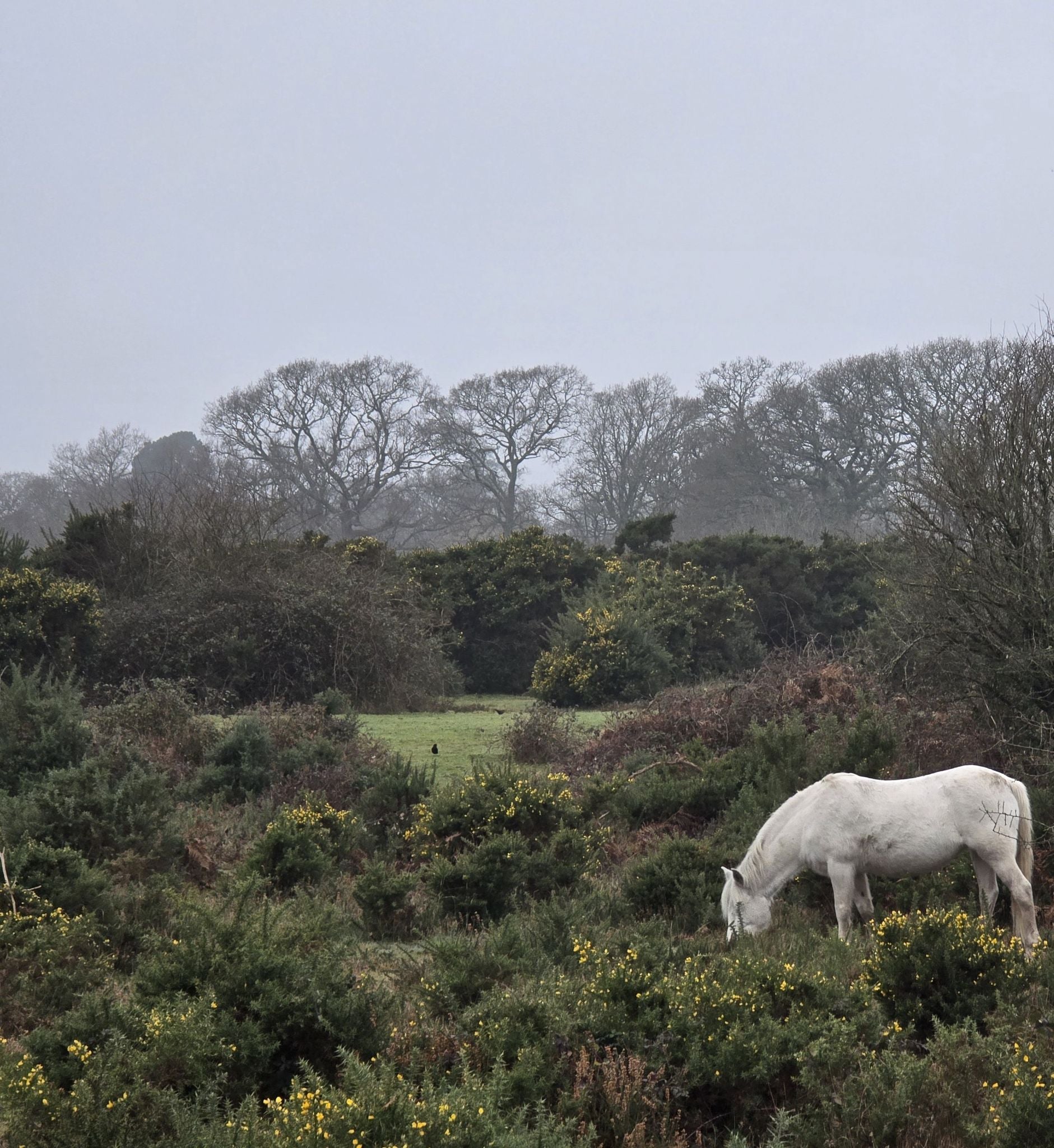
As I was forest bathing in England, I observed a wild white horse amongst the heather. I felt humbled that I can co-exist with such natural beauty.


SACRED EARTH CALLOUTS
Sacred Earth is an open call to observe the natural world — not as a backdrop, but as something living, fragile and worth protecting. This year focuses on moments of becoming — where life is beginning, continuing, or being protected. From seeds breaking through soil to regrowth after fire, from migration to regeneration, we’re interested in the systems and cycles that shape the world around us.We’re inviting our community to submit a single photographic image that captures their perspective.
Expansive or close. Quiet or unexpected.
What matters is the way it’s seen.
Not about perfection.
About perspective.
As I was forest bathing in England, I observed a wild white horse amongst the heather. I felt humbled that I can co-exist with such natural beauty.
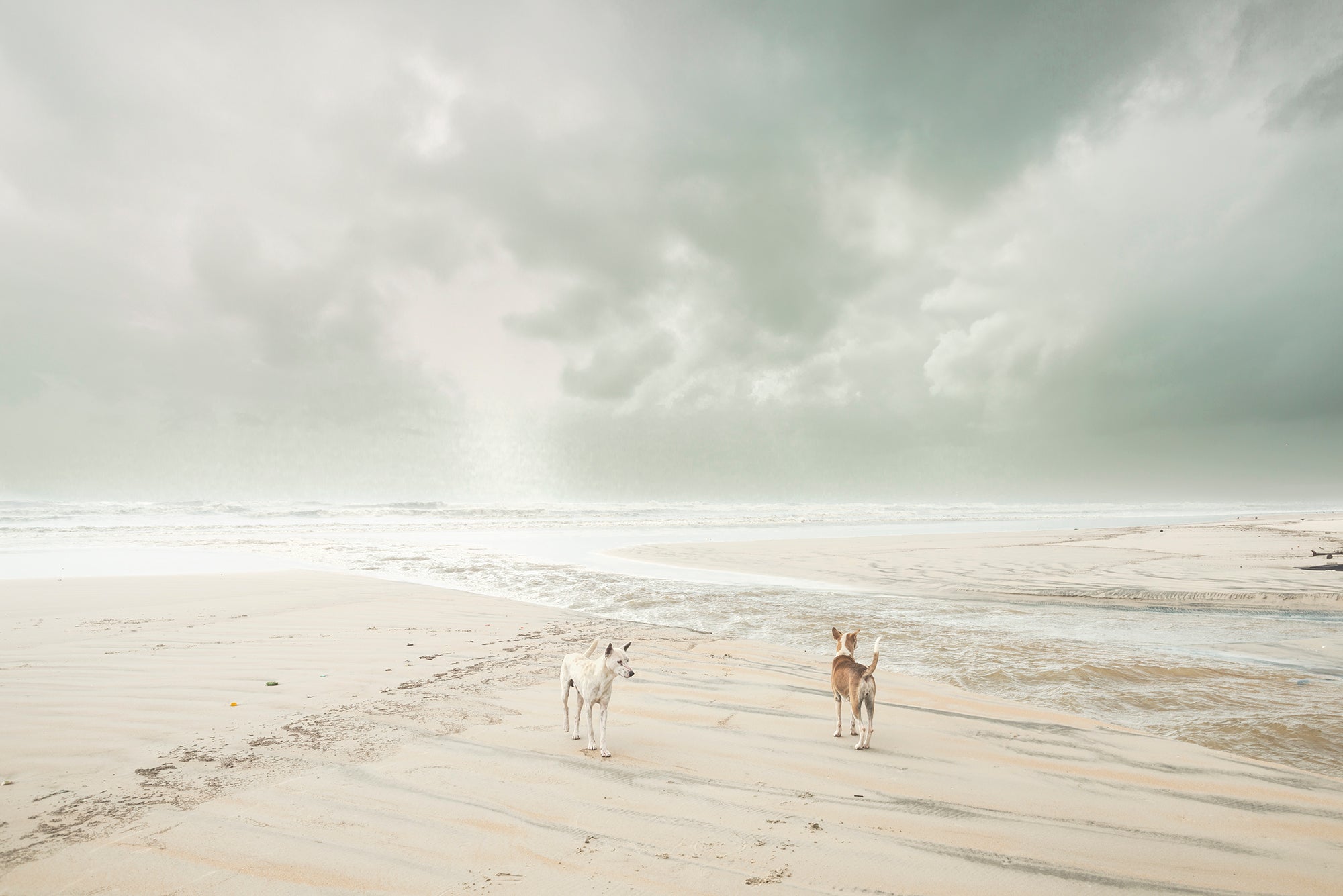
Taken during the pandemic, when fishermen and tourists disappeared from the beaches, leaving the dogs in a very vulnerable position. The monsoon heightened the problem.
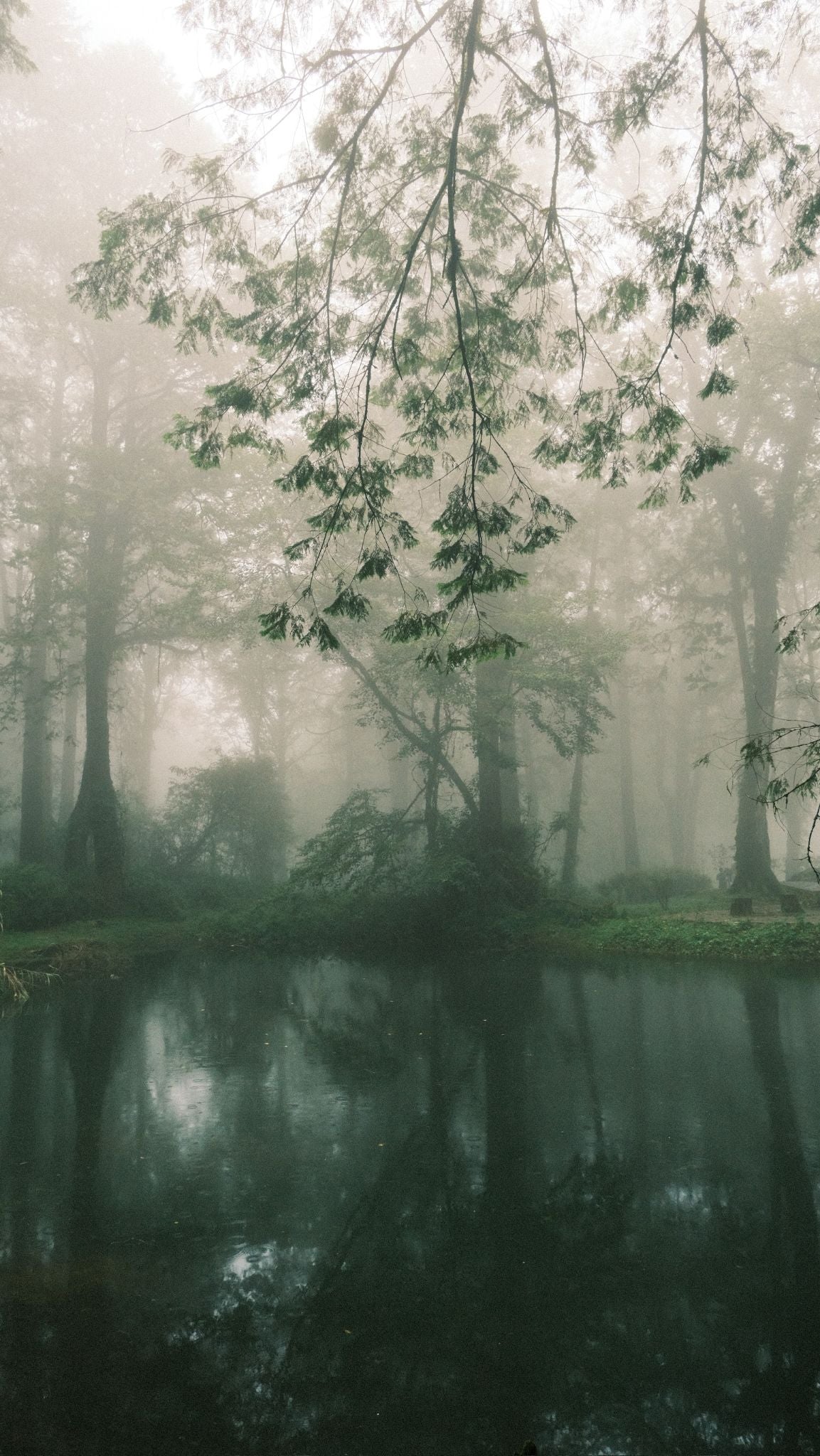
Tucked away in a shroud of mist is a warm embrace of calm. Distanced from all of a humans’ chaos - concrete, machines, noise and faces. There is no trouble here.
Nature knows peace.
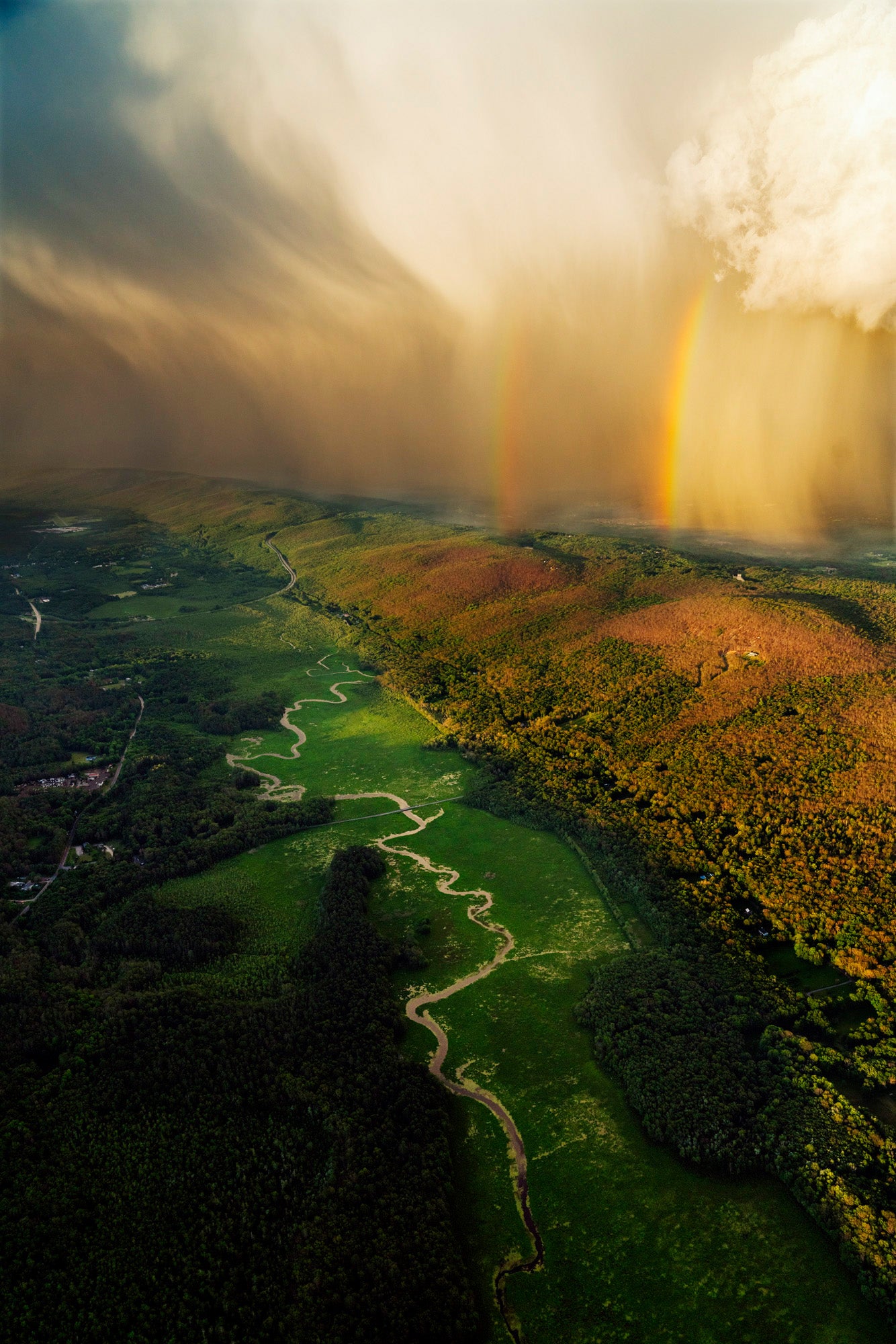
The Bashakill Wetlands, in the center of the photo, named for a Lenape Indian medicine woman who harvested medicinal plants there, is a thriving habitat and a rewilding success story. European settlers drained the wetland and used it for cattle farming. Then in 1972 New York State purchased the area and created a dam to encourage its return to nature. This 3,107-acre Wildlife Management Area contains the largest freshwater wetland in southeastern New York, and is a state designated Bird Conservation Area.
I was doing aerial photography to support efforts to prevent the enlargement of the highway seen at the top of the picture, which would encourage further development in the region. We flew through the storm at the top right of the picture, then came around to the bottom of the wetland as the sun broke through the clouds and illuminated the Shawangunk mountain range on the right side of the picture, and the rainbow formed.
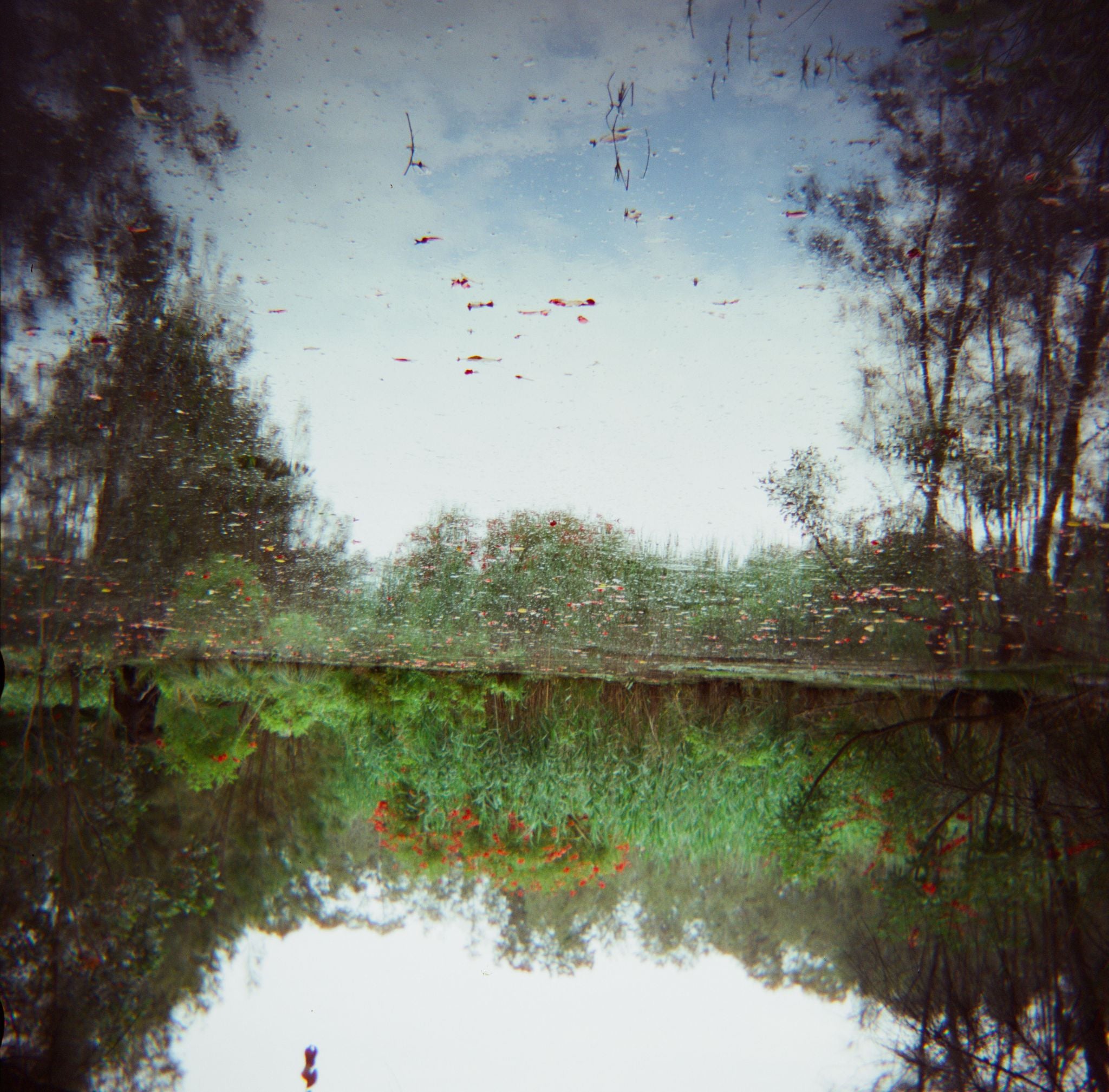
Imagine a world without birds, science tells us nature and particularly bird sounds relax our anxieties and tell us all is well in the world. Wetlands are homes to many species of small animals and birds it is a sacred place.
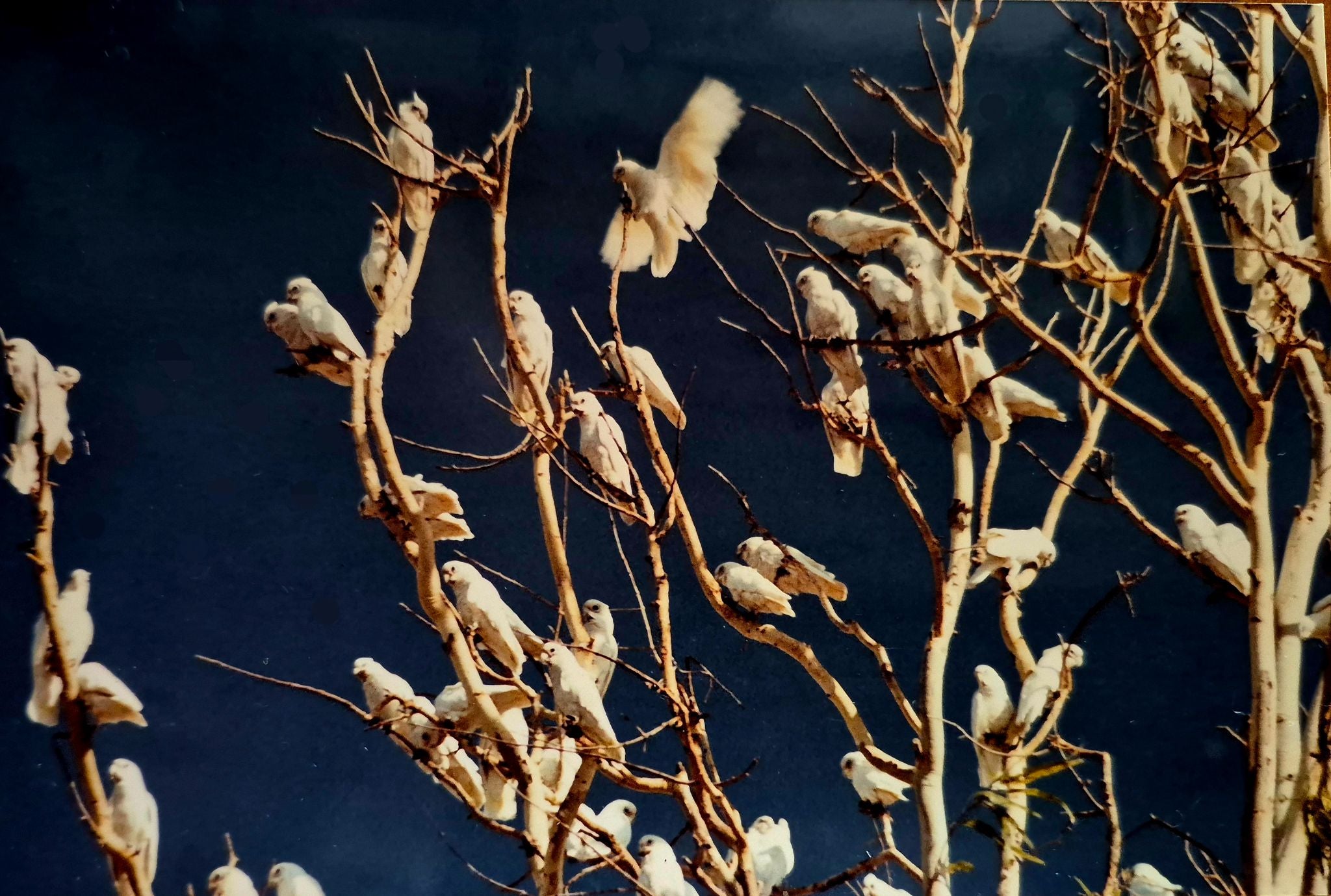
A chance moment captured as the first corolla opens her wings to take off from the tree. The others will follow. The movement of the flock is initiated by the impulse of a single bird. A flash of time before the stillness turns into a cacophony of motion. This image was taken on film in Kowanyama, 1991
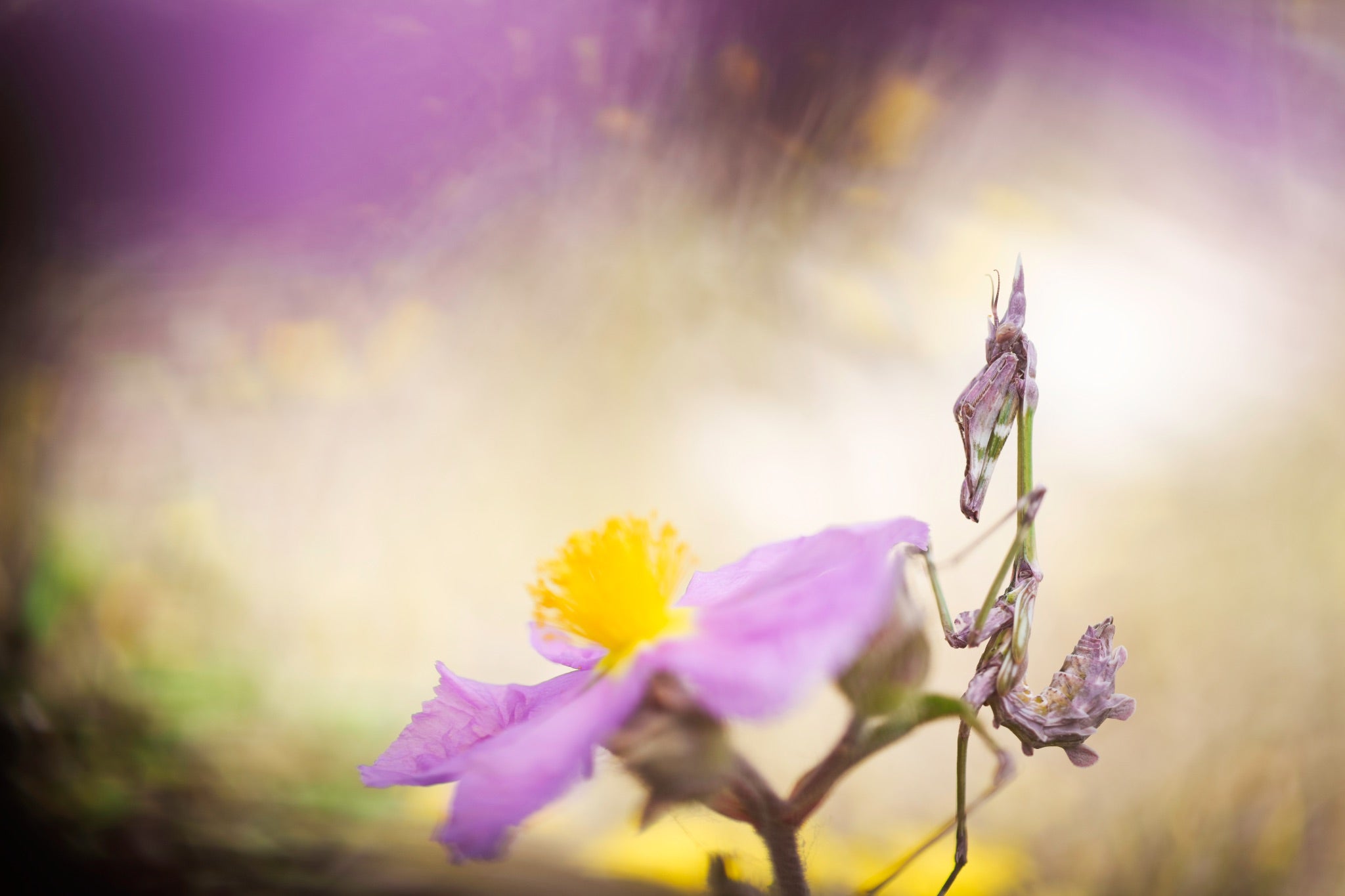
A close-up photo of an Empusa fasciata sub-adult. I took this photo in April 2026 on a mountain near Athens, Greece. I spotted this mantis hiding among Cistus creticus and I utilized the plant's flowers in front of my lens to add some colour to my frame, similar to the mantis' colours.
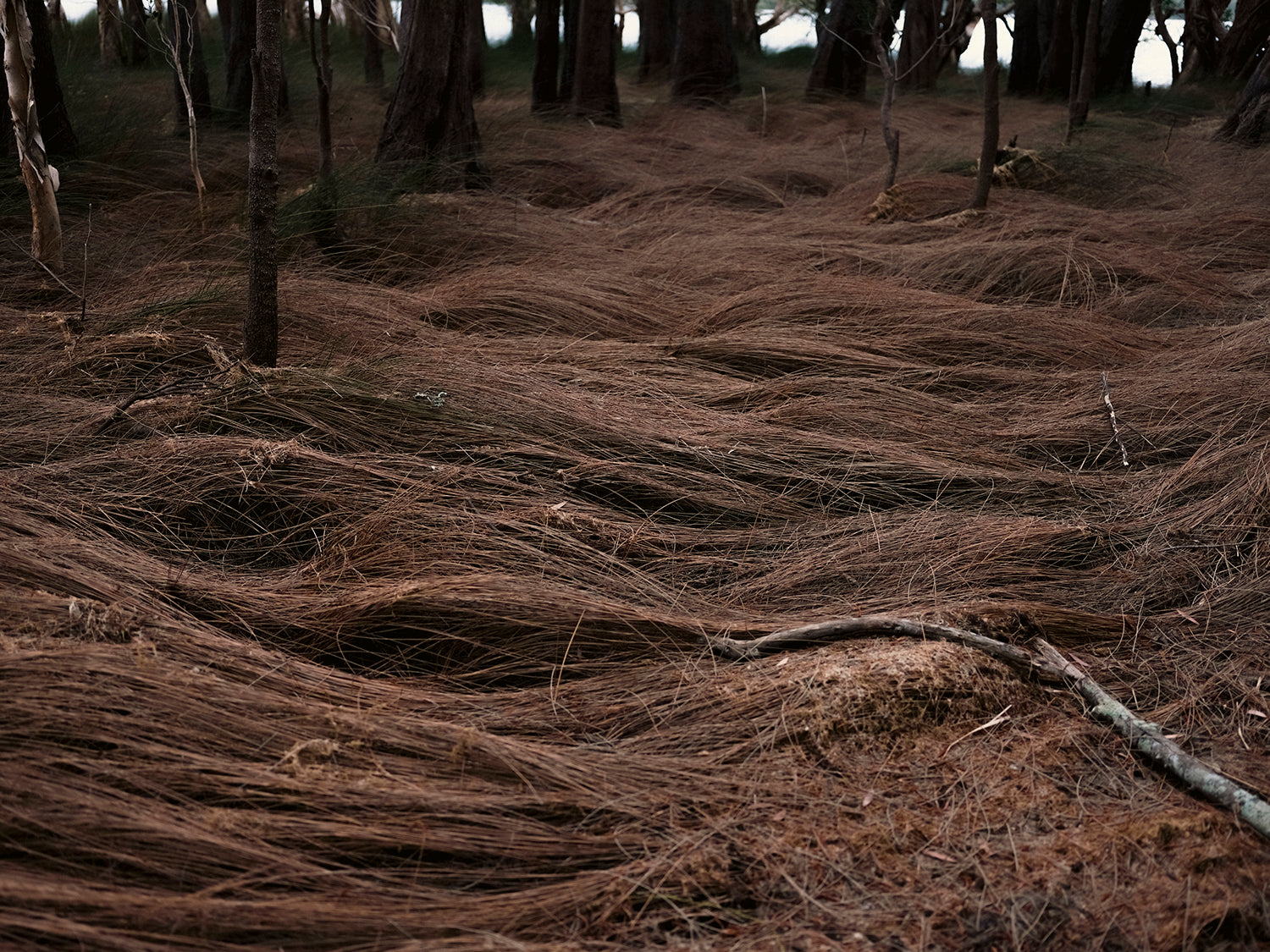
The May 2025 floods in the Myall Lakes region of NSW, caused by an Easterly Trough Low and record-breaking rainfall, had lasting impacts on the local environment and national parks. Flooding across the Manning and Myall catchments reshaped ecosystems and left much of the area closed for months. This landscape, especially around Myall Lakes and Seal Rocks, holds a deep personal and spiritual connection for me, and is a place I regularly visit with my son. When I returned in October 2025, the marks of the floods were still clearly visible. This image was taken at a favourite swimming spot at Neranie, where flattened grass had dried into soft, wave-like forms—echoing the movement of the floodwaters that passed through. These patterns now act as a protective layer, sheltering the quiet regrowth of plants and life beneath. The photograph captures a moment of becoming, where disruption and renewal exist together, and reflects on the resilience of natural systems and the importance of protecting them.
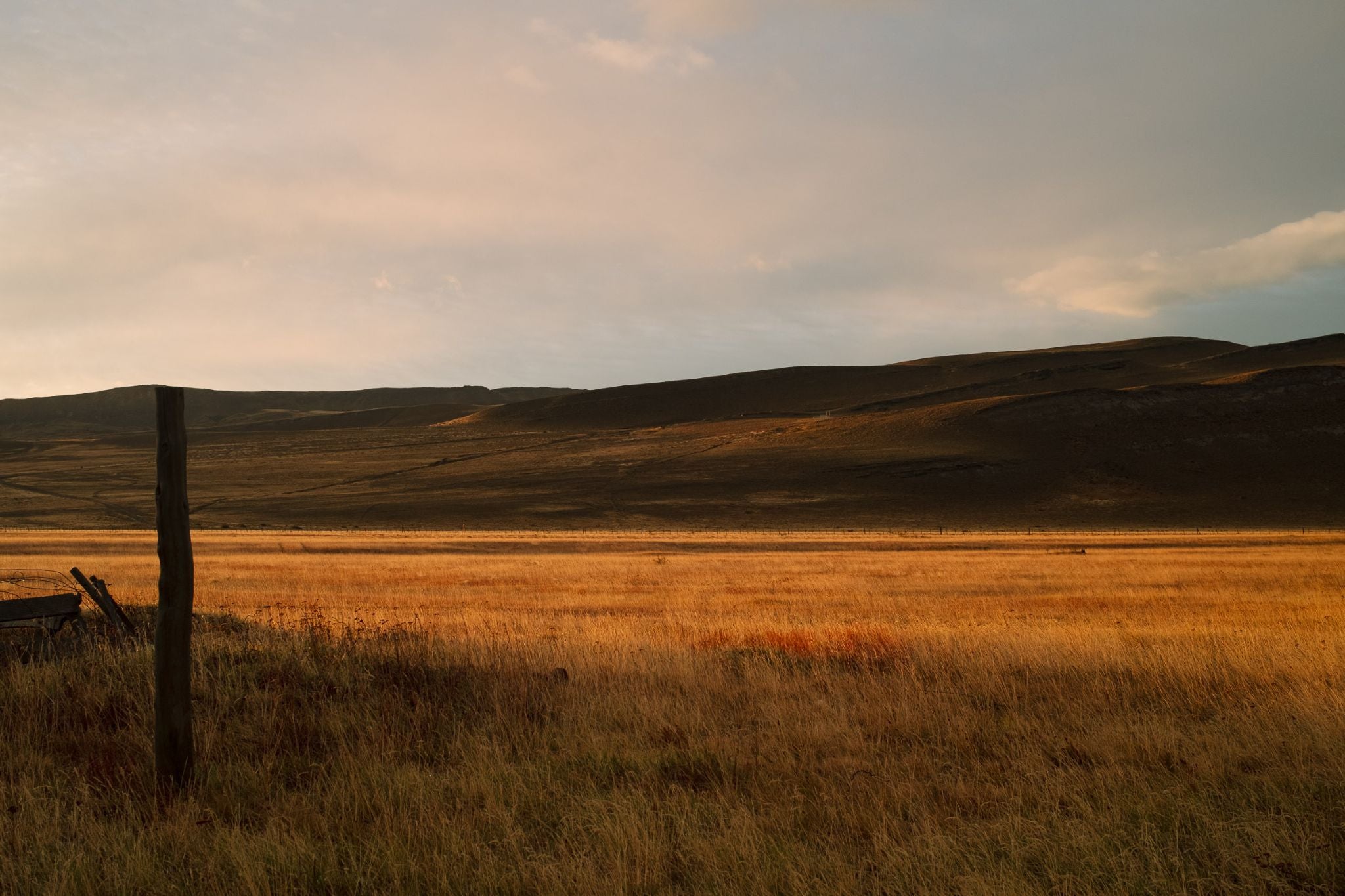
I took this image through a ferry window on the way to hike a mountain in Chile.
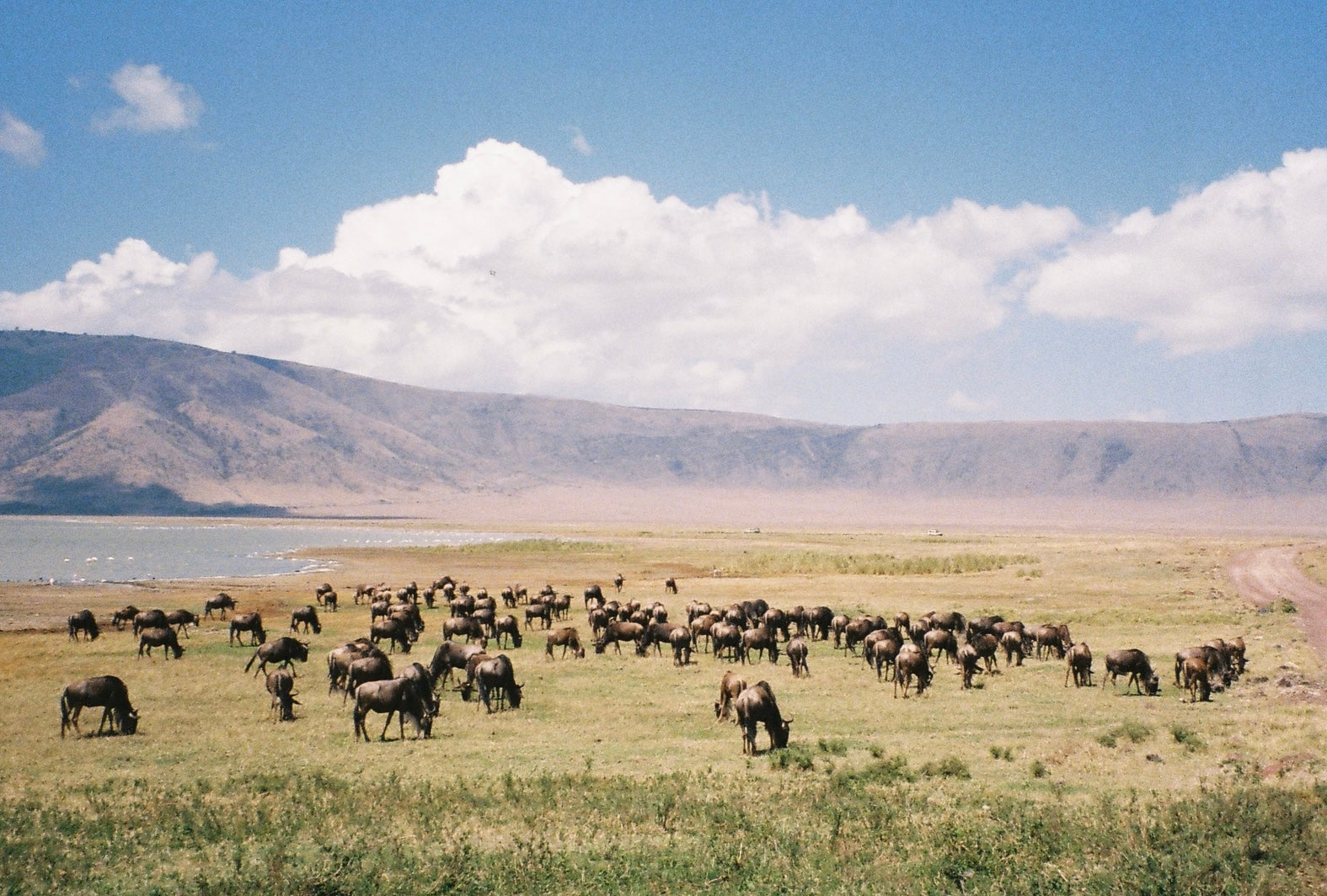
Ngorongoro Crater is the world's largest caldera formed by a collapsed volcano, creating a natural amphitheatre housing 30,000 animals. Seeing it in person was a breathtaking experience. This was a peaceful moment appreciating the wildebeest grazing in the morning sun.
